
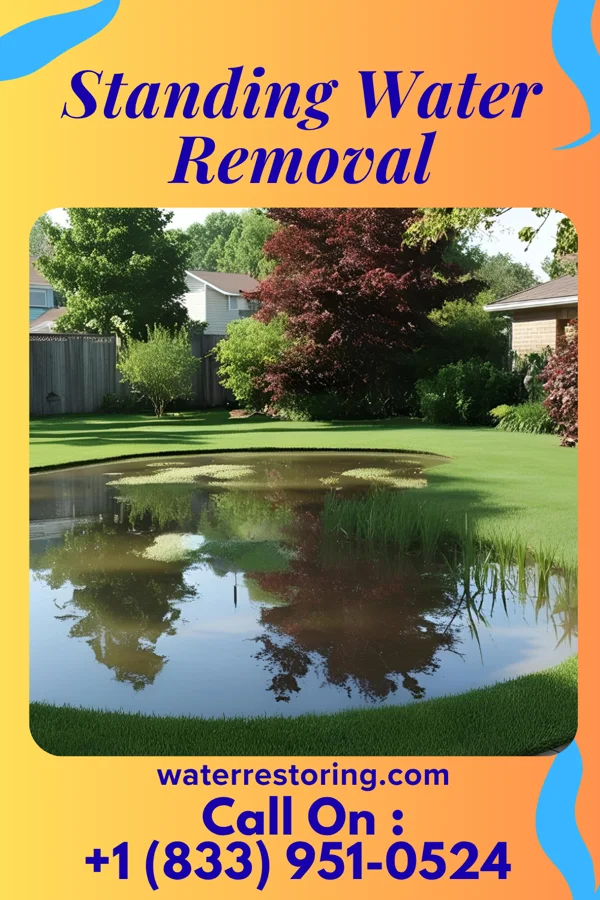
Common Standing Water Causes in Norwalk
Most standing water removal calls in Norwalk come from In Norwalk, Connecticut, primary water damage often stems from burst pipes in older residential buildings and leaking roofs due to the region's frequent heavy rainfall. The city's urban layout and high population density increase the likelihood of water infiltration in commercial and multi-family properties.. A close second is Secondary causes include flooding from nearby waterways like the Saugatuck River, as well as groundwater seepage in basements of older homes in areas such as Old Hill and Darien Downtown. Stormwater runoff during hurricane season also poses a significant risk.. If you know what is about to happen, the decisions during the first 48 hours get a lot easier.
Norwalk experiences a humid continental climate with heavy precipitation, particularly during the spring and fall. This increases the risk of water damage from both internal plumbing failures and external weather events, making prompt response critical.
Most standing water removal calls in Norwalk come from In Norwalk, Connecticut, primary water damage often stems from burst pipes in older residential buildings and leaking roofs due to the region's frequent heavy rainfall. The city's urban layout and high population density increase the likelihood of water infiltration in commercial and multi-family properties.. Running a close second is Secondary causes include flooding from nearby waterways like the Saugatuck River, as well as groundwater seepage in basements of older homes in areas such as Old Hill and Darien Downtown. Stormwater runoff during hurricane season also poses a significant risk.. Local mold risk: Mold growth in Norwalk can occur rapidly due to the high humidity and frequent rainfall, especially in older buildings with poor insulation. Prompt water damage restoration is essential to prevent health risks and structural issues.
For public guidance on the health effects of mold after prolonged water exposure, see the EPA mold and health page.